CFD Case Studies
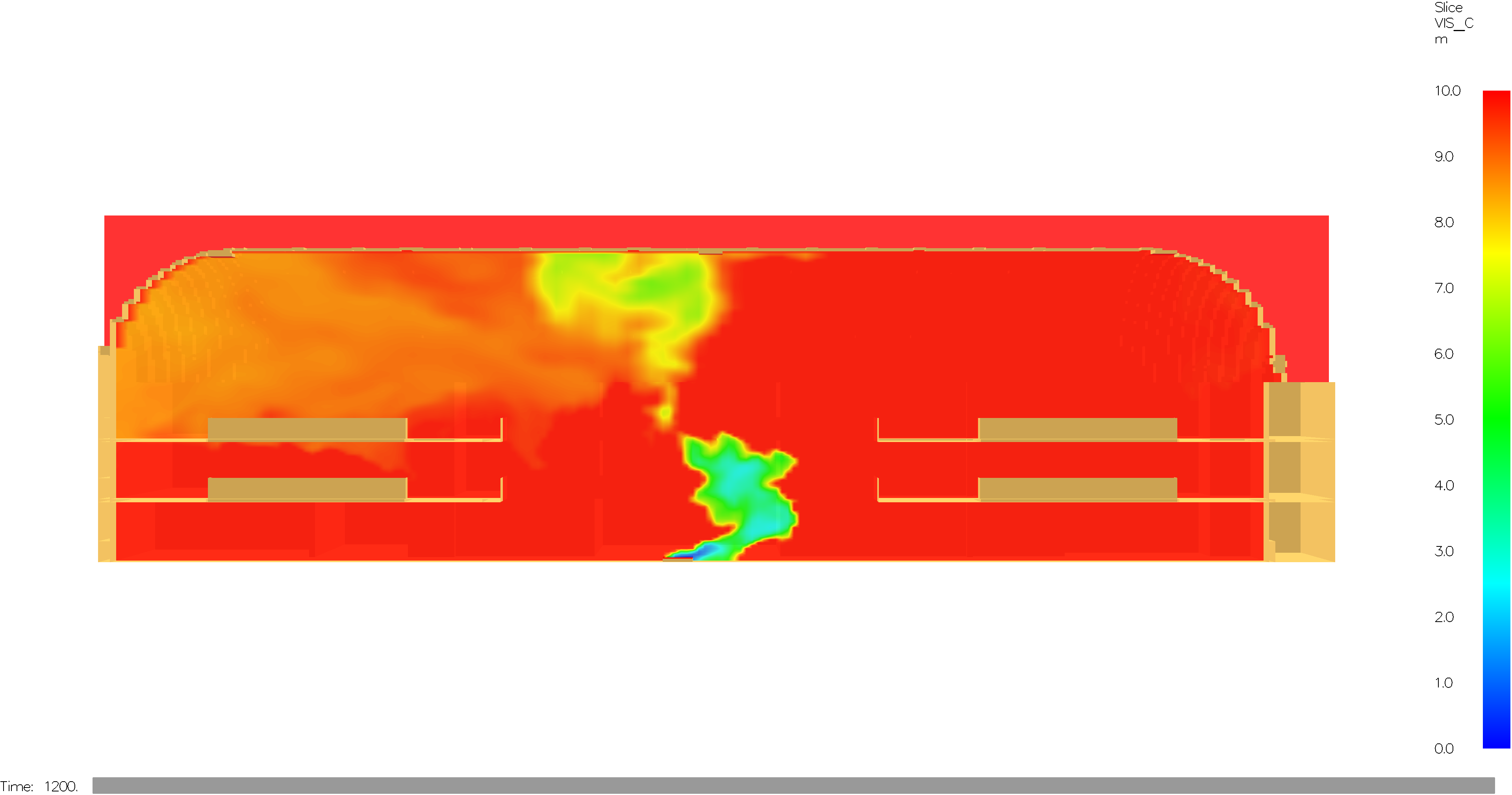
Atrium Smoke Control Case Study: The Impact of Smoke Barriers
Modern atrium spaces create stunning architectural features—but they also introduce complex fire and smoke challenges. In this study, we explored how smoke behaves in an atrium under a credible fast-growing fire and how simple design interventions can dramatically improve safety.
Explore More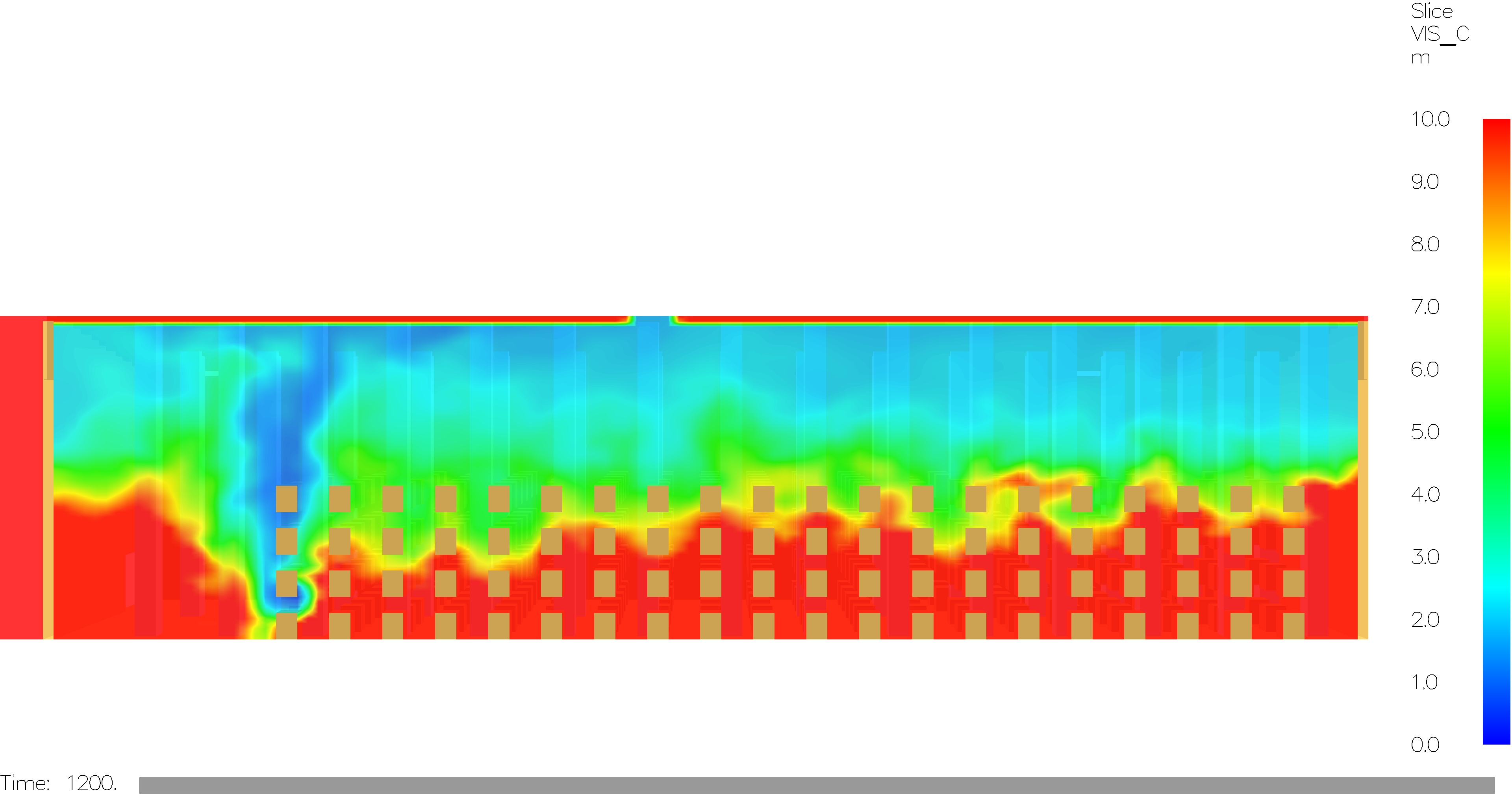
Warehouse Smoke Ventilation – Performance Under Wind-Driven Conditions
A performance-based smoke ventilation strategy was developed for a large warehouse facility where roof-mounted smoke vents are automatically activated upon fire detection. The study was carried out using advanced Computational Fluid Dynamics (CFD) simulations in Fire Dynamics Simulator (FDS) to realistically model fire and smoke behaviour.
Explore More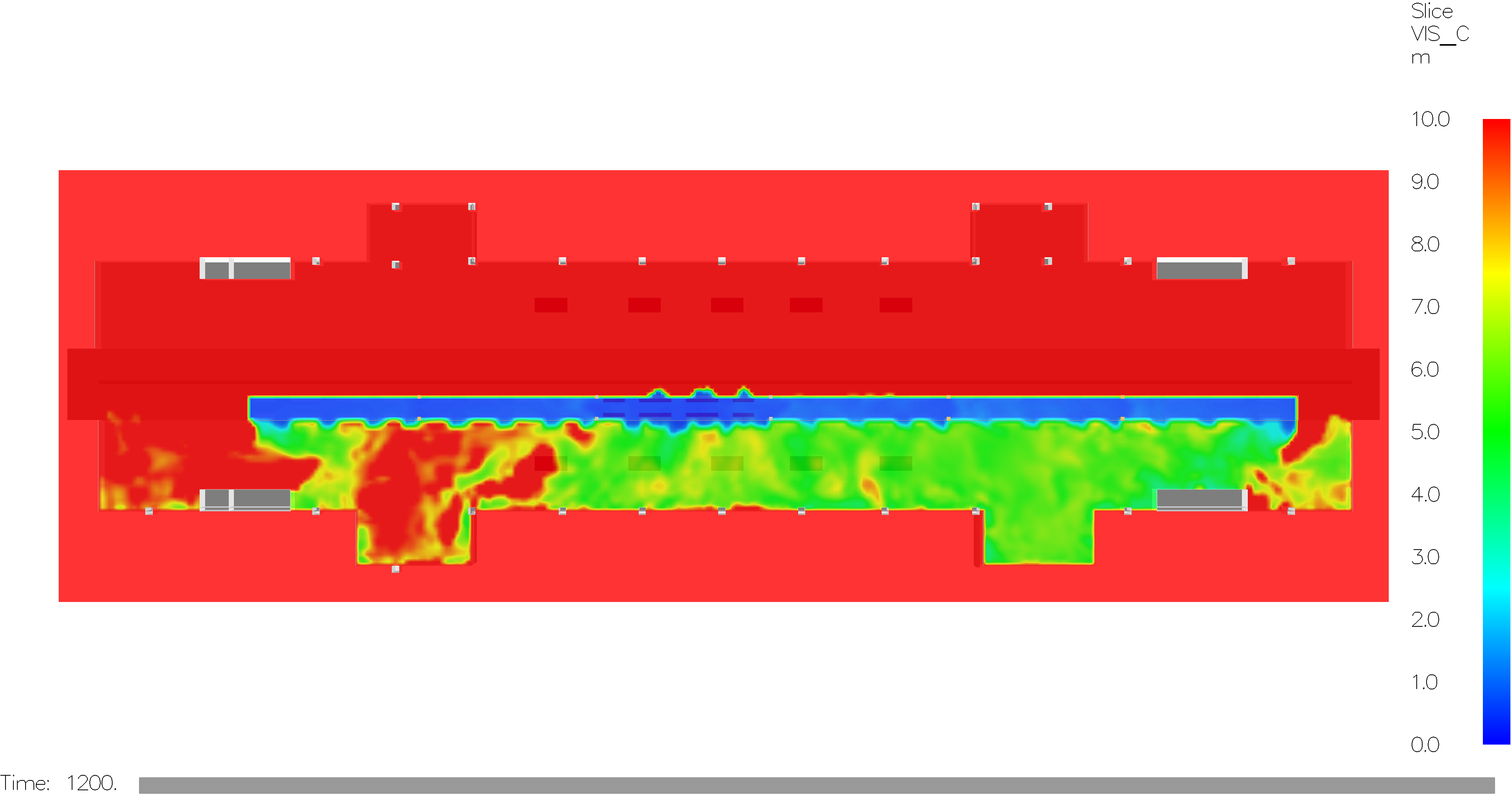
Smoke Management Assessment for an Elevated Metro Station Using FDS
Metro stations present a unique fire safety challenge due to high occupant density, enclosed platform areas, and the presence of trains carrying significant combustible materials. In the event of a fire rapid smoke accumulation can severely impact visibility, tenability and evacuation safety.
Explore More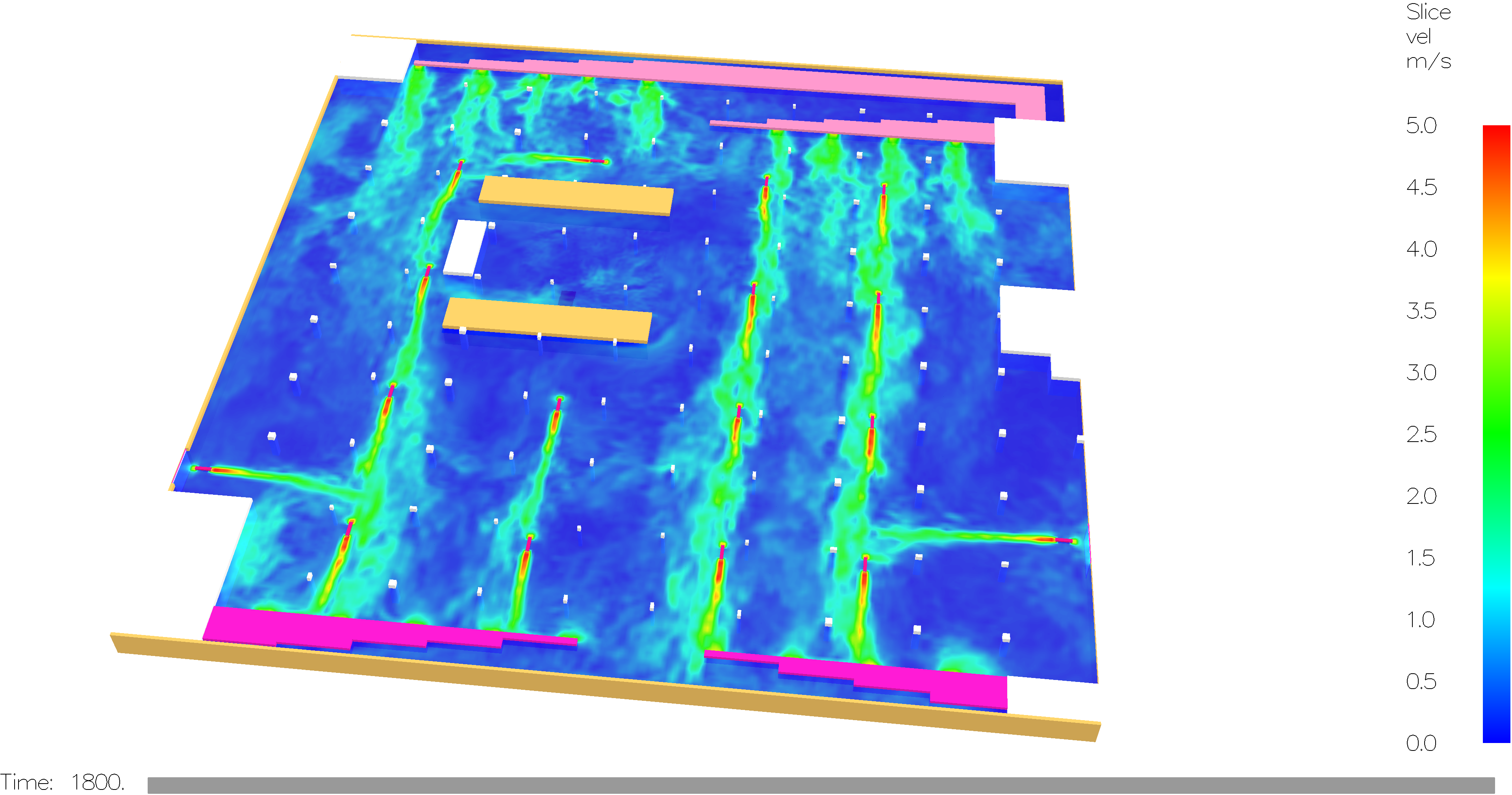
Underground Car Park Fire Simulation
With no natural ventilation and limited access for firefighting, smoke can accumulate rapidly creating life-threatening conditions within minutes. Additionally, the close proximity of vehicles increases the likelihood of fire spreading from one car to another further intensifying the risk.
Explore More